
The Hyde Park Rose Garden

Nestled within the iconic Hyde Park in London, the Hyde Park Rose Garden is a serene and colorful retreat for nature lovers and visitors alike. This beautifully landscaped garden showcases an array of vibrant roses, seasonal flowers, and ornamental features, making it a must-visit spot for those seeking a tranquil escape from the city’s hustle and bustle. Whether you’re a flower enthusiast, a history buff, or simply looking for a picturesque location to relax, the Rose Garden offers something special for everyone.

The Hyde Park Rose Garden was first established in 1994 as part of a larger initiative to enhance the park’s natural beauty. Designed with a formal layout, the garden features neatly arranged flowerbeds, charming pathways, and striking sculptures that add to its allure. One of its standout features is the central pergola, adorned with climbing roses, creating a romantic and picturesque setting. The garden is particularly stunning during the summer months when the roses are in full bloom.

Visitors often ask about the best time to visit the Hyde Park Rose Garden. The garden is open year-round, but the ideal time to experience its beauty is between late spring and early summer, typically from May to July, when the roses are at their peak. Entry is free, and the garden is easily accessible from various points in Hyde Park, including the Hyde Park Corner and Marble Arch entrances. It’s a great spot for a leisurely stroll, photography, or simply unwinding amidst nature.

Beyond the roses, the garden also features a variety of other plants and flowers, including seasonal blooms that change throughout the year. These additions ensure that the garden remains a delightful destination regardless of the season. Sculptures like the Boy and Dolphin Fountain and the charming stone urns add an artistic touch, blending nature and design seamlessly.

Hyde Park itself has a rich history dating back to 1536, when it was acquired by King Henry VIII as a hunting ground. Over the centuries, it has evolved into one of London’s most beloved public parks, offering a mix of historical landmarks and modern attractions. The Rose Garden, though relatively young compared to the park’s centuries-old history, has become a cherished feature that embodies the park’s commitment to beauty and accessibility.

A visit to the Hyde Park Rose Garden can easily be combined with exploring other attractions in Hyde Park, such as the Serpentine Lake, the Diana Memorial Fountain, or Speaker’s Corner. With its central location and peaceful ambiance, it’s a fantastic addition to any London itinerary.

Whether you’re a local or a tourist, the Hyde Park Rose Garden is a delightful spot to enjoy the simple pleasure of nature’s beauty. Its vibrant colors and fragrant blooms provide a calming oasis where visitors can pause and appreciate the artistry of a well-tended garden.


The Vibrant and Iconic Carnaby Street – A Must-Visit in London!

Carnaby Street, located in the heart of London’s West End, is a name synonymous with culture, style, and music. Famous for its unique blend of independent boutiques, global fashion brands, and a rich history tied to British pop culture, Carnaby Street offers a unique shopping and cultural experience for all who visit.

In the 1960s, Carnaby Street was the epicenter of the “Swinging London” movement. This was a period marked by cultural revolution, with Carnaby Street leading the way in fashion, music, and youth culture. The street was the birthplace of the Mod style and was frequented by iconic figures of the era, including The Beatles and The Rolling Stones.

The commonly asked questions about Carnaby Street include: What is Carnaby Street famous for? What can you do at Carnaby Street? To answer these questions, Carnaby Street is famous for its pivotal role in the 1960s cultural revolution, its unique shopping experience, and its rich history. There’s something for everyone at Carnaby Street, from shopping and dining to exploring its history.

Today, Carnaby Street continues to be a hub for fashion and culture. It is home to over 100 shops and 60 food and drink spots, offering everything from high-end fashion brands to independent boutiques, and from traditional British pubs to trendy eateries. The street also hosts various events throughout the year, including the famous Christmas lights switch-on.

In addition to its vibrant shopping and dining scene, Carnaby Street also boasts a rich architectural history. The majority of the buildings on the street are listed, with some dating back to the early 18th century. This blend of history and modernity is part of what makes Carnaby Street a truly unique destination.

So, if you’re planning a trip to London, be sure to include a visit to Carnaby Street. With its rich history, vibrant shopping scene, and iconic status, it’s a destination that promises a unique and unforgettable experience.

Unveiling the World of Skin Boosters: A Comprehensive Guide

With the ever-evolving beauty industry, a new buzzword has taken center stage – “Skin Boosters”. As a qualified dermatologist, I am often asked, “How much are skin boosters?” and “Are they worth the investment?” Let’s delve into this fascinating topic and shed some light on these common questions.

Skin boosters, also known as dermal fillers, have emerged as a popular non-surgical treatment to rejuvenate and hydrate the skin. They work by injecting a cocktail of hyaluronic acid and vitamins into the skin, promoting a radiant and more youthful appearance.

The cost of skin boosters can vary widely, depending on several factors. These include the quality of the product used, the expertise of the practitioner, and the geographical location of the clinic. On average, you can expect to pay between $300 and $800 per session. However, keep in mind that multiple sessions may be required to achieve optimal results.

Now, let’s address the elephant in the room – “Are skin boosters worth it?” The answer to this largely depends on your individual skin needs and goals. If you’re looking for a non-invasive treatment to improve skin hydration, elasticity, and texture, skin boosters could be a worthwhile investment. They are particularly beneficial for individuals with dry or dull skin, noticeable pores, and fine lines.

However, it’s crucial to remember that like any other treatment, skin boosters are not a magic solution. They should be considered as part of a holistic skincare routine, not a replacement for good skincare habits.

Before making any decisions, it’s always best to have a thorough consultation with a qualified dermatologist. They can assess your skin’s condition, discuss your concerns, and recommend the most suitable treatment plan for you.

In the world of skincare, there’s no one-size-fits-all solution. What works wonders for one person might not work as well for another. Therefore, understanding your skin and its unique needs is the first step towards better skin health.

In summary, skin boosters can be a valuable addition to your skincare arsenal, but they are not a cure-all. With the right approach and expectations, they can help enhance your skin’s natural beauty and boost your confidence. But remember, the journey to radiant skin is a marathon, not a sprint. So, take your time, do your research, and make informed decisions that will benefit your skin in the long run.

Animals in War Memorial, Marble Arch

Step into the heart of London and you’ll find yourself surrounded by history, culture, and stunning landmarks. One such landmark that stands tall and proud is the Animals in War Memorial, located near Marble Arch. This unique and touching tribute pays homage to the countless animals who have served and sacrificed alongside humans in times of war.

As you approach the memorial, you’ll be struck by its powerful presence. The centerpiece is a larger-than-life bronze sculpture of a horse, surrounded by various animals including dogs, pigeons, and mules. Each animal is depicted with such detail and emotion that you can almost feel their bravery and loyalty.

The Animals in War Memorial serves as a poignant reminder of the often-forgotten heroes of war. From the horses that carried soldiers into battle to the dogs that sniffed out danger, these animals played a vital role in supporting the armed forces. They were not mere companions, but trusted allies who faced the same dangers and hardships as their human counterparts.

As you explore the memorial, you’ll notice plaques inscribed with heartfelt messages from those who wish to pay tribute to these remarkable creatures. The words serve as a testament to the deep respect and gratitude felt by people from all walks of life.

The location of the Animals in War Memorial is also worth mentioning. Situated near Marble Arch, it offers a tranquil oasis amidst the hustle and bustle of the city. Take a moment to sit on one of the nearby benches and reflect on the sacrifices made by these incredible animals. It’s a place of solace and contemplation, where you can truly appreciate the bond between humans and animals.

Whether you’re a history enthusiast, an animal lover, or simply looking for a unique experience in London, the Animals in War Memorial is a must-visit destination. It’s a place where you can learn, reflect, and honor the bravery of these unsung heroes. So next time you find yourself in the vicinity of Marble Arch, make sure to take a moment to pay your respects and be inspired by the incredible stories of these courageous animals.

By Iridescenti – Own work, CC BY-SA 3.0, https://commons.wikimedia.org/w/index.php?curid=2920547

What food makes your eyes better

As we journey through life, our eyes bear witness to the world around us, capturing countless precious moments. But, have you ever stopped to consider what foods might make your eyes better? It’s a question that often goes overlooked, yet it’s one that carries immense significance. After all, our eyes are not just our windows to the world, but they are also indicators of our overall health. From the foods we eat to our lifestyle choices, many factors influence our eye health. It’s time we pay more attention to this vital aspect of our well-being. Taking action today can help safeguard your visual health for the future.

Many of us tend to believe that deteriorating vision is an inevitable part of aging. However, this is a common misconception. While age can indeed play a role, our dietary habits are also crucial contributors to our eye health. A diet rich in certain nutrients can significantly boost our visual health and even slow down the progression of age-related eye diseases. Another misconception is that carrots are the only food beneficial for our eyes. While carrots are an excellent source of vitamin A, which is vital for eye health, they are not the only food that can improve our vision. Many other foods, such as leafy greens, fish, and berries, are also packed with essential nutrients for our eyes.

The thought of losing our vision can stir up a deep-seated fear in many of us. It’s a fear that can be overwhelming, especially when you consider how vital our sight is to our everyday lives. However, it’s essential to remember that fear does not have to dictate our future. Knowledge is power, and understanding how our dietary choices impact our eye health can help us take proactive steps towards preserving our vision. By incorporating eye-healthy foods into our diet, we can effectively combat this fear and pave the way for a future of clear, healthy vision.

There are numerous ways to improve our eye health through our diet. Consuming foods rich in vitamins C and E, beta carotene, zinc, and omega-3 fatty acids can significantly benefit our eyes. These nutrients can be found in a variety of foods, including citrus fruits, nuts, seeds, fish, and green leafy vegetables. Regular exercise and maintaining a healthy weight are also crucial for good eye health.

Discover the Transformative Power of Aesthetic Doctors for Your Skin Conditions

Discover the Transformative Power of Aesthetic Doctors for Your Skin Conditions

Introduction:
Are you tired of dealing with skin conditions that not only affect your appearance but also take a toll on your self-confidence? Look no further than the expertise of aesthetic doctors. These highly qualified dermatologists specialize in treating a range of skin conditions, from medical concerns like acne to aesthetic enhancements that can improve the contouring of your skin. In this article, we will explore the benefits of seeking treatment from aesthetic doctors and how they can help you achieve healthier, more radiant skin.

Acne: Regain Control of Your Skin Health
Acne is a common skin condition that affects people of all ages. It can cause redness, inflammation, and unsightly blemishes, leading to feelings of self-consciousness and low self-esteem. Aesthetic doctors understand the physical and emotional impact of acne and can provide effective treatment options tailored to your unique needs. With their expertise, you can regain control of your skin health and restore your confidence.

Aging Skin: Turn Back the Clock
As we age, our skin undergoes natural changes, such as the loss of elasticity and the appearance of fine lines and wrinkles. These signs of aging can leave us feeling less vibrant and youthful. Aesthetic doctors offer a range of treatments, including dermal fillers and anti-wrinkle injections, to help turn back the clock and rejuvenate your skin. With their advanced techniques, you can achieve a more youthful and refreshed appearance, boosting your self-esteem and overall well-being.

Uneven Skin Tone: Embrace a Flawless Complexion
Uneven skin tone, characterized by dark spots, hyperpigmentation, or redness, can make you feel self-conscious and unhappy with your complexion. Aesthetic doctors have a deep understanding of the factors that contribute to uneven skin tone and can provide effective treatments, such as chemical peels or laser therapy, to address these concerns. By embracing a flawless complexion, you can feel more confident and comfortable in your own skin.

Scarring: Minimize the Visible Reminders
Scarring, whether from acne, injury, or surgery, can serve as a constant reminder of past traumas and affect your self-esteem. Aesthetic doctors offer various treatments, such as laser resurfacing or microneedling, to minimize the appearance of scars and improve skin texture. By reducing the visible reminders of past wounds, you can regain your confidence and feel more comfortable in social and professional settings.

Aesthetic doctors are the key to unlocking your skin’s true potential. Whether you’re struggling with acne, signs of aging, uneven skin tone, or scarring, these highly skilled professionals can provide tailored treatments that address your specific concerns. By seeking their expertise, you can achieve healthier, more radiant skin, boosting your self-confidence and overall well-being. Don’t let skin conditions hold you back. Embrace the transformative power of aesthetic doctors and embark on a journey towards a more vibrant and confident you.

Is Thai Food Halal?

Summary: Is Thai Food Halal?

In this blog post, we will explore the topic of whether Thai food is halal. Thai cuisine is renowned for its vibrant flavors and unique blend of spices, making it a popular choice for food lovers around the world. However, for Muslim travelers, it is essential to know if the food is prepared according to halal standards. We will delve into the history of Thai cuisine, discuss the motivations for visiting Thailand, and provide additional information that could be relevant to Muslim visitors.

Thai cuisine has a rich history that dates back centuries. Influenced by neighboring countries such as China, India, and Malaysia, Thai food is a delightful fusion of flavors. From aromatic curries to tangy salads, there is something to suit every palate. For Muslim travelers, it is important to note that while Thai cuisine predominantly uses ingredients like fish sauce and shrimp paste, there are also a plethora of halal options available. Many restaurants in Thailand cater to the Muslim community by offering halal-certified dishes.

To reach Thailand and explore its diverse culinary scene, visitors can fly into Bangkok’s Suvarnabhumi Airport, which is well-connected to major cities worldwide. From there, travelers can easily navigate the city using public transportation or hire a private taxi to explore different neighborhoods and try various halal food options.

FAQs:

  1. Are there halal restaurants in Thailand?
    Yes, Thailand has numerous halal restaurants that cater to Muslim dietary requirements.
  2. How can I identify halal food in Thailand?
    Look for restaurants with halal certification or ask for recommendations from locals or your hotel.
  3. Can I find halal street food in Thailand?
    Yes, there are street food vendors in Thailand that offer halal options. Look for stalls with halal signs or ask the vendor directly.
  4. Is pork widely used in Thai cuisine?
    While pork is commonly used in Thai cuisine, there are many dishes that do not contain pork, making it easier for Muslim travelers to find suitable options.
  5. Can I find halal food outside of Bangkok?
    Yes, halal food options are available in other cities and tourist destinations across Thailand.

If you are planning a trip to Thailand, exploring the diverse flavors of Thai cuisine is a must. Whether you are a food enthusiast or a Muslim traveler looking for halal options, Thailand offers a wide range of culinary delights that are sure to satisfy your taste buds. Immerse yourself in the local culture, indulge in delicious dishes, and create unforgettable memories in the Land of Smiles.

How Dermatologists Remove Blackheads

Blackheads are a common skin concern that can leave you feeling self-conscious and frustrated. They can be difficult to remove and may cause discomfort or even pain. If you’re struggling with blackheads, it’s important to understand how dermatologists can help. By learning more about the process, you can take action to improve your skin and feel confident again.

Blackheads are caused by clogged pores, which can occur due to a variety of factors such as excess oil production, hormonal changes, and even genetics. There are many misconceptions about blackheads, such as the idea that they are caused by poor hygiene or can be removed by squeezing. However, these beliefs are not true and can actually make the problem worse. It’s important to seek professional help from a qualified dermatologist who can provide safe and effective treatments.

One of the biggest fears people have when it comes to blackheads is the fear of scarring or damaging their skin. However, with the right treatment and care, this can be avoided. Dermatologists use a variety of methods to safely and gently remove blackheads, such as manual extraction, chemical peels, and laser therapy. By consulting with a dermatologist, you can find the best treatment option for your specific needs and concerns.

If you’re struggling with blackheads, there are many popular ways to treat them. However, it’s important to remember that not all treatments are created equal. Some home remedies or over-the-counter products may be ineffective or even harmful. By seeking professional help from a qualified dermatology clinic like Eudelo, you can ensure that you receive the best care and treatment possible.

At Eudelo there are fully qualified dermatology practitioners have years of experience in treating blackheads and other skin concerns. We use the latest technology and techniques to provide safe and effective treatments that are tailored to your individual needs. If you have concerns about blackheads or any other skin issue, we encourage you to contact us today to schedule a consultation. Your skin deserves the best care possible, and we’re here to help you achieve it.

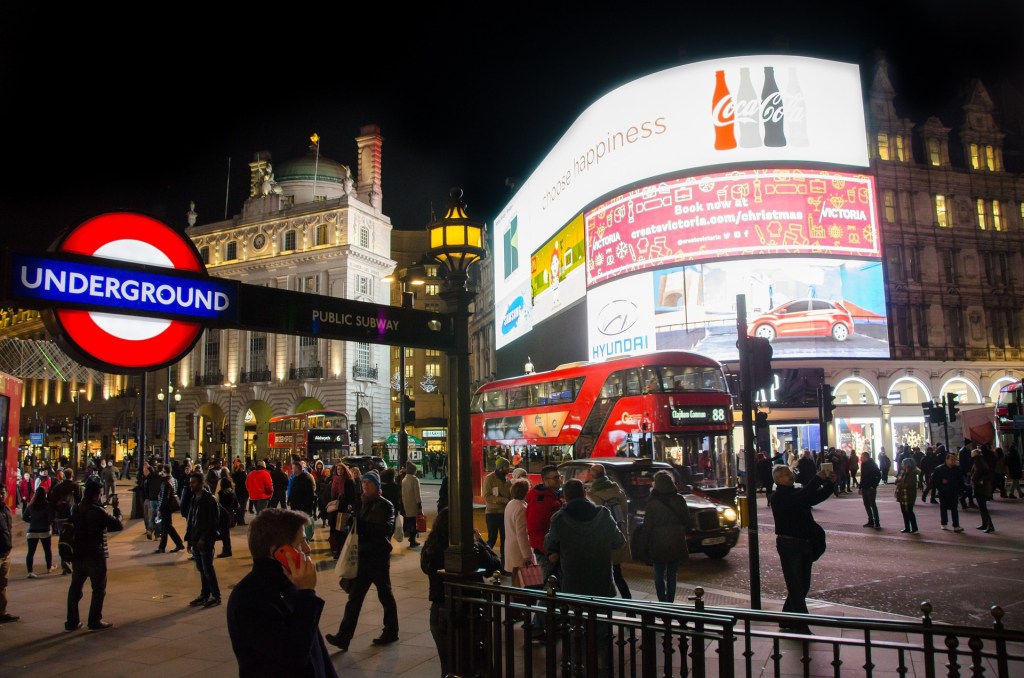
Piccadilly Circus, London – London's Iconic Entertainment Hub

Packed with energy and excitement, Piccadilly Circus is one of the most vibrant destinations in central London. This bustling intersection at the West End of London is home to a variety of attractions, restaurants, and entertainment venues. From the iconic Shaftesbury Memorial Fountain to the neon signs and giant billboards, Piccadilly Circus is an exciting and bustling place to explore. With its unique blend of culture, history, and entertainment, this lively part of London is sure to keep you captivated.

Attractions and Activities in Piccadilly Circus

Piccadilly Neon Lights

Piccadilly Circus is most famous for its neon signs, which have been a part of the landscape since the 1920s. The lights are in the centre of the circus, just opposite the London Tube station.

Theatre District

Piccadilly Circus is home to a plethora of elegant theatres that regularly host the world’s most popular musicals and movies. Some of the famous movies you can see in the area include Matilda, The Lion King, Mary Poppins and The Book of Mormon.

Trafalgar Square

The square has several sculptures, monuments, and memorials, and two massive fountains that provide a dramatic background. Trafalgar Square is also home to the National Gallery and the National Portrait Gallery.

Shopping

Piccadilly Circus is also a great place to shop. There are a number of high-end retailers that line the streets, as well as a range of smaller independent stores and boutiques.

Causes, Symptoms and Treatments of Alopecia of the Nails

Although most people identify alopecia with temporary and permanent hair loss, up to 46% of persons who have it also experience nail problems, Alopecia is a chronic, autoimmune condition. The appearance of AA nails may be pitted, lined, split, or white spotted.

This type of alopecia typically manifests in little spots on the scalp. Together, these blotches expand until they encircle the majority of the scalp. The patches typically have one or more round or oval patches with a diameter of 1 to 5 cm.

Causes of alopecia of the nails

  • Medical supplies
  • Diseases
  •  Imbalance in hormones
  •  Additional health issues

Symptoms

Several red flags suggest something else is going on. Here are a few potential signs of nail conditions:

  • Hurting, cracked, and dry nails
  • Nail discolouration that is white
  • Nail discoloration
  • Nail art with black dots
  • Nail thickening
  • Fingertip peeling
  • A scratchy sensation beneath your toenail
  • Erosion (small cracks in the surface of the nail)

Treatment methods

Topical Medication – There are numerous over-the-counter topical medications that function best when used frequently.

Drugs used orally – Some nail diseases can be effectively treated with some oral medicines. Antifungals may be helpful if you have fungal infections.

Surgery –  can be required if topical or oral treatments don’t help your nail issues. The most frequent surgical procedures involve removing diseased nail tissue.